
A riding crop is a simple tool used by horse riders to give clear signals while riding. It is usually short, lightweight, and easy to hold. Riders use it to support their leg aids and improve communication with the horse. When used correctly, it helps guide the horse without causing harm.
There are different types of riding crops designed for various riding styles and needs. Some are used for training, while others are made for competitions or everyday riding. Choosing the right crop depends on its length, material, and purpose. This guide explains the main types, common uses, and important tips for buying the best riding crop.
What is a Riding Crop?
A riding crop is a simple tool used by horse riders during training and everyday riding. It is usually short, lightweight, and easy to carry while riding. Riders use it as an aid to support their instructions. A riding crop is designed to improve communication between horse and rider.
The crop is not meant to punish a horse. Instead, it helps reinforce signals that are already being given through the rider’s hands, legs, and seat. When used correctly, it provides clear guidance. This helps the horse understand what is expected.
Riding crops come in different sizes and styles to suit various riding activities. Some are made for general riding, while others are designed for specific disciplines. Choosing the right crop depends on the rider’s needs. Proper use is always more important than the type of crop.
Riding Crop Meaning in the Context of Horse Behavior
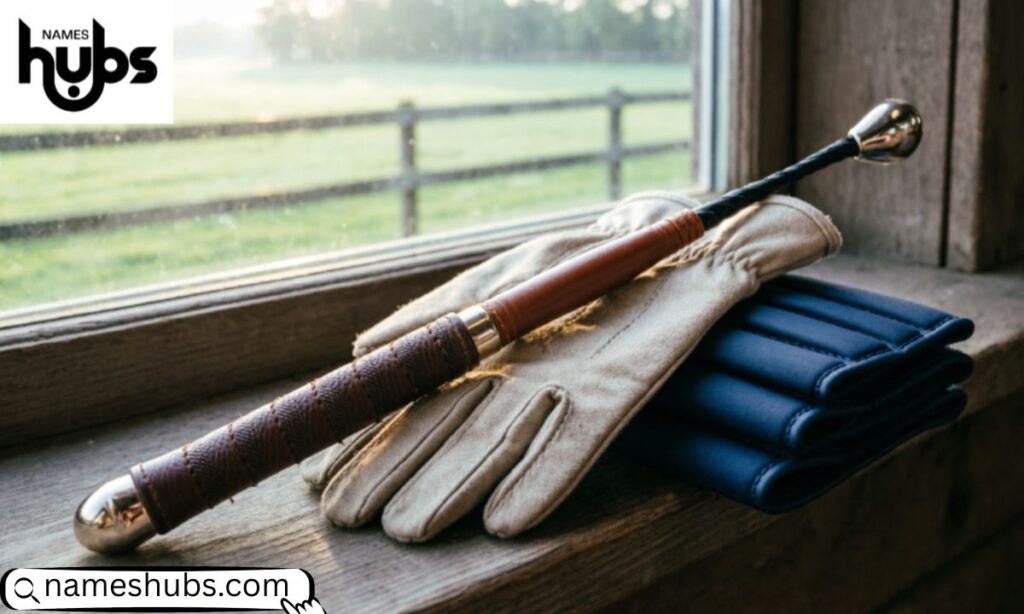
In horse behavior, a riding crop acts as a communication tool rather than a form of discipline. Horses respond to clear and consistent cues from their riders. The crop can help strengthen these cues when needed. It supports better understanding between horse and rider.
Horses learn through repetition and clear signals. If a horse becomes distracted or ignores a leg aid, a light touch from the crop may remind it to focus. This creates a connection between the rider’s request and the horse’s response. Consistency helps build good habits over time.
Understanding horse behavior is important when using any training aid. Every horse reacts differently based on its personality and experience. A calm and patient approach often produces the best results. Respecting the horse’s comfort helps maintain trust and cooperation.
Why You Should Use a Riding Crop in Horse Training?
A riding crop can be useful during horse training because it helps improve communication. It reinforces riding aids and encourages the horse to respond correctly. Many trainers use it as part of a balanced training program. The goal is to create clear and effective signals.
Using a crop properly can help a horse stay attentive during lessons. It may encourage forward movement or improve responsiveness when a horse is unsure. The crop should always be used with good timing. This helps the horse understand the desired action more easily.
When introduced correctly, a riding crop can support learning and progress. It is most effective when combined with patience, consistency, and positive training methods. Riders should focus on guiding rather than forcing the horse. A thoughtful approach leads to better results and a stronger partnership.
Types of Horse Riding Crops and Their Uses
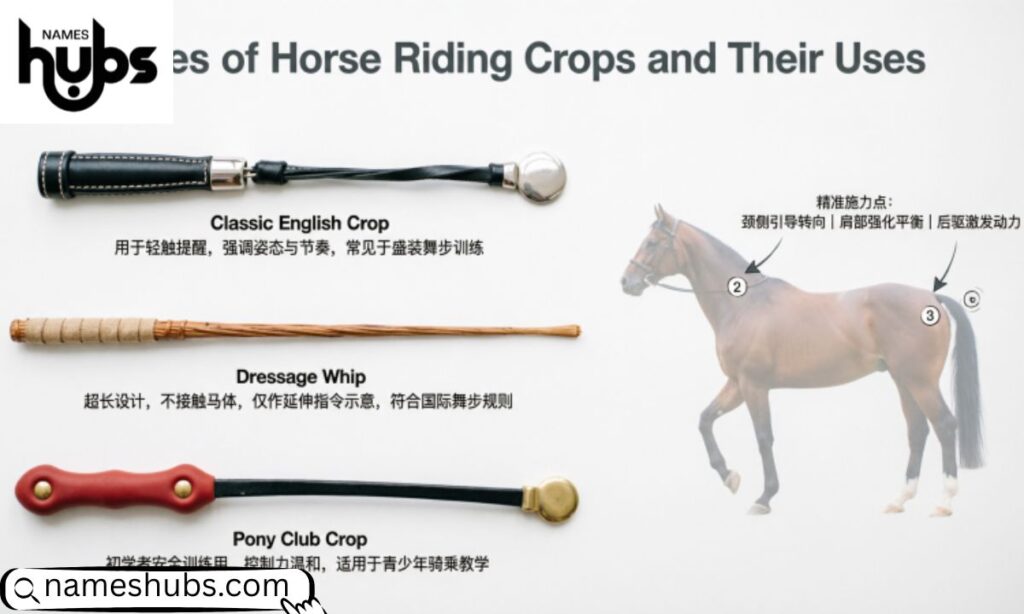
Horse riding crops come in several styles, and each one serves a specific purpose. Riders often choose a crop based on their riding discipline and experience level. The right crop can help improve communication between horse and rider. Understanding the different types makes selection much easier.
Standard riding crops are commonly used for everyday riding and training. They are lightweight and easy to handle during lessons or casual rides. Many riders prefer them because they provide simple and clear aids. These crops are suitable for both beginners and experienced riders.
Dressage whips, jumping bats, and training crops are designed for specialized activities. Dressage whips are longer and help riders give subtle signals. Jumping bats are shorter and often used during jumping events. Training crops can assist with groundwork and horse education exercises.
Different Materials Used in Riding Crops
Riding crops are made from a variety of materials that affect their durability and feel. Common materials include leather, synthetic fabrics, fiberglass, and rubber. Each material offers different benefits for riders. Choosing the right one depends on personal preference and riding needs.
Leather riding crops are popular because they have a classic appearance and long-lasting quality. Many riders appreciate their comfortable grip and attractive finish. With proper care, leather crops can remain in good condition for years. They are often seen in traditional riding disciplines.
Synthetic materials are lightweight, affordable, and easy to maintain. Fiberglass cores provide strength while keeping the crop flexible. Rubber handles help riders maintain a secure grip in different weather conditions. These modern materials are widely used in today’s riding equipment.
How to Properly Use a Riding Crop?
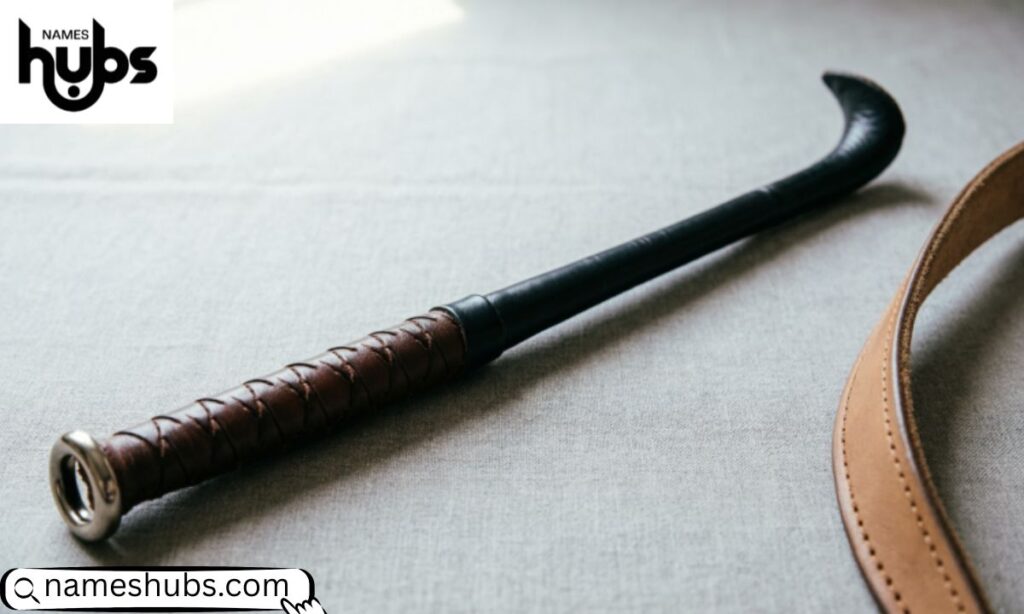
A riding crop should be used as a communication tool rather than a punishment device. Its purpose is to reinforce the rider’s natural aids when necessary. Proper use encourages better understanding between horse and rider. Responsible handling helps maintain trust and confidence.
The crop should be held comfortably in one hand without affecting rein control. Riders should apply light and timely signals when asking the horse to respond. Clear and consistent cues are more effective than repeated use. Good timing helps the horse understand what is expected.
Training and practice are important for using a riding crop correctly. Riders should learn proper techniques from qualified instructors whenever possible. Using the crop with care promotes a positive riding experience. Respectful communication always leads to better results with horses.
Understanding the Purpose of a Riding Crop
A riding crop is a tool that helps riders communicate more clearly with their horses. It is not meant to cause pain or fear. Instead, it supports the rider’s natural leg and seat aids during training and riding.
Many riders use a crop to reinforce a signal when a horse does not respond right away. It acts as a reminder and helps improve understanding between horse and rider. Proper use can make communication more consistent.
The main goal of a riding crop is to encourage attention and responsiveness. When used correctly, it helps create a better partnership. A calm and respectful approach always leads to the best results.
Learning the Correct Way to Hold a Riding Crop
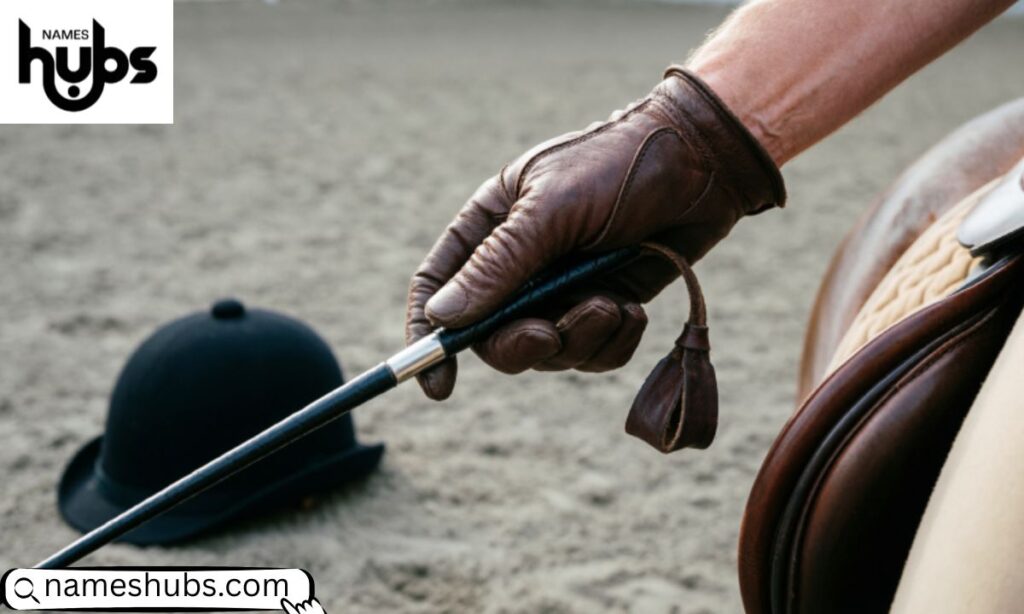
Holding a riding crop correctly is important for safety and control. The handle should rest comfortably in your hand while allowing you to maintain a secure grip on the reins. Your hands should stay relaxed and balanced.
Most riders hold the crop with the handle facing upward and the shaft resting alongside the reins. This position allows quick access when needed. It also prevents unnecessary movement that may distract the horse.
Practicing the correct grip helps improve confidence while riding. A proper hold keeps the crop from slipping or interfering with rein control. A good hand position also supports clear communication with your horse.
When to Use a Riding Crop During Riding
A riding crop should only be used when a horse does not respond to normal riding aids. Riders should first use their legs, seat, and voice before considering the crop. It should never be the first signal given.
During training sessions, a crop can help encourage forward movement or reinforce a command. The touch should be light and timely. Consistency is more effective than strength when working with horses.
Using a crop at the right moment helps the horse understand what is expected. Poor timing can create confusion and reduce effectiveness. Careful and thoughtful use supports better learning and performance.
Communicating Clearly with Your Horse
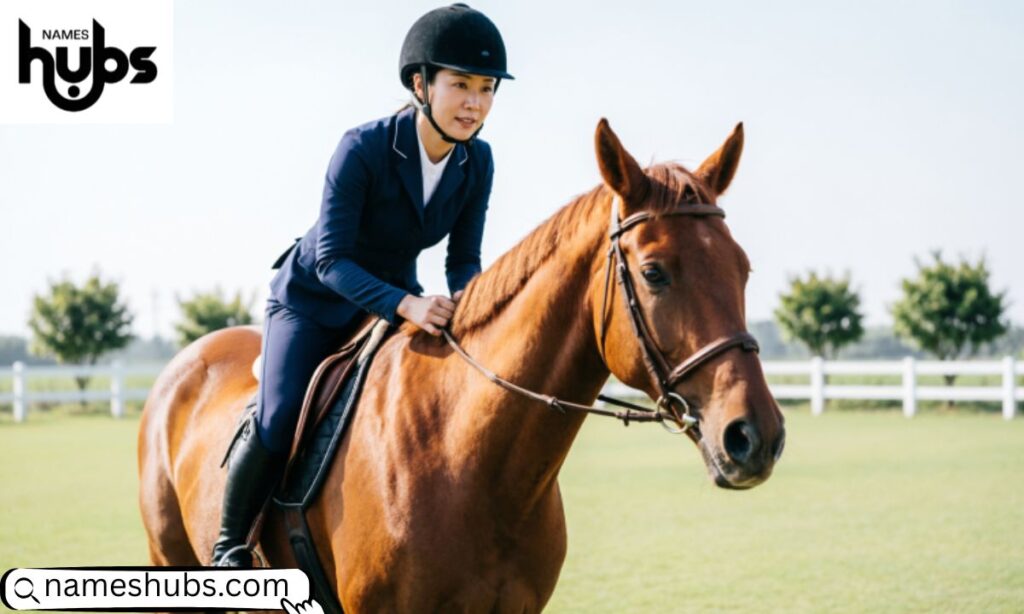
Clear communication is one of the most important parts of successful riding. Horses respond best when signals are simple, consistent, and easy to understand. Mixed messages can make training more difficult.
A riding crop can support communication when used alongside proper riding aids. It should work as an extension of the rider’s cues rather than a separate command. This helps the horse connect actions with expectations.
Building trust takes patience and repetition. When a horse understands what is being asked, responses become smoother and more reliable. Good communication creates a stronger bond between horse and rider.
Using Gentle and Controlled Movements
A riding crop should always be used with gentle and controlled movements. The goal is to communicate clearly with the horse rather than cause discomfort. Small and precise actions are usually more effective than strong ones.
Riders should stay calm and keep their hands steady while using the crop. Sudden or aggressive movements can confuse the horse. Consistent handling helps the horse understand what is expected.
Good control comes from regular practice and proper riding skills. A horse responds better when signals are clear and predictable. Gentle use helps create a positive riding experience for both horse and rider.
Common Mistakes Riders Should Avoid

One common mistake is relying too much on the riding crop. It should never replace proper riding techniques or basic communication. Riders should first use their seat, legs, and reins.
Another mistake is using the crop at the wrong moment. Poor timing can confuse the horse and reduce its responsiveness. Correct timing helps reinforce the rider’s instructions.
Some riders also forget to stay relaxed while riding. Tension in the body can send mixed signals to the horse. A calm and balanced rider creates better communication and control.
Matching Crop Use with Basic Riding Aids
A riding crop works best when combined with basic riding aids. Riders should first use leg pressure and body position to guide the horse. The crop should only support these natural cues.
Using the crop together with other aids creates a clear message. This helps the horse understand instructions more quickly. Consistency is important during every ride.
Over time, the horse learns to respond to lighter signals. Proper coordination between aids improves overall performance. It also strengthens communication between horse and rider.
Building Horse Confidence Through Proper Handling
Proper handling plays a big role in building a horse’s confidence. Horses feel more secure when riders are calm and consistent. Gentle guidance encourages trust and cooperation.
A confident horse is often more willing to learn new skills. Clear communication reduces uncertainty and stress during training. Positive experiences help the horse stay relaxed.
Patience is essential when working with any horse. Every horse learns at its own pace and deserves respectful treatment. Good handling creates a strong and lasting partnership.
Practicing Safe Riding Crop Techniques
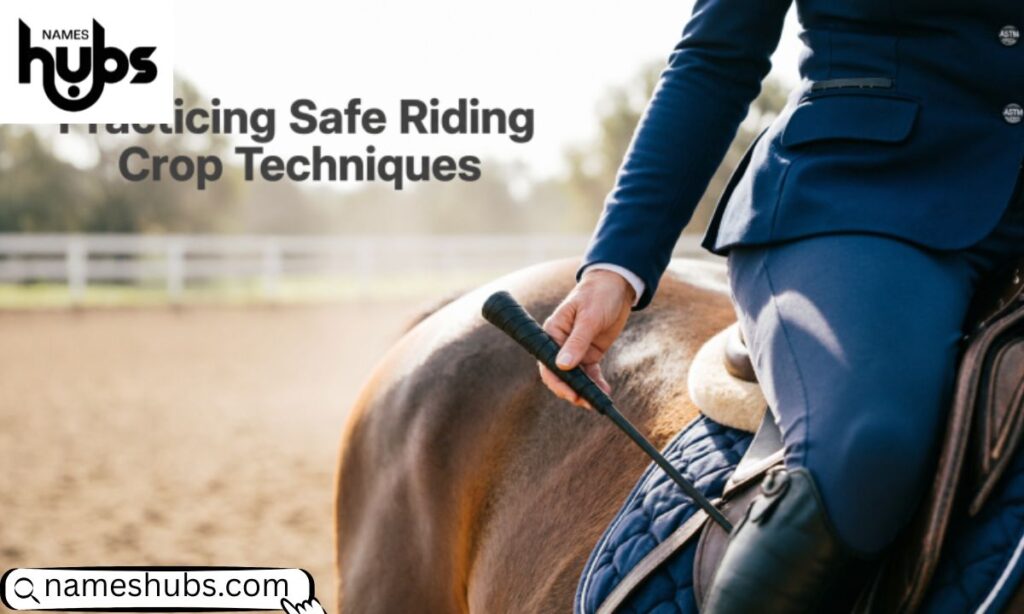
Safety should always be a priority when using a riding crop. Riders should understand the correct way to hold and use it. Proper technique helps prevent misunderstandings and accidents.
Before riding, check that the crop is in good condition. Damaged equipment can be uncomfortable or unsafe to use. Regular inspections help maintain safe riding practices.
Learning from experienced instructors can also improve safety. They can demonstrate proper techniques and correct mistakes. Good habits developed early often lead to better riding results.
Maintaining Respect and Comfort for Your Horse
Respect for the horse should guide every riding session. The riding crop should be used as a communication tool, not as a punishment. Kind and fair treatment helps build trust.
Pay attention to the horse’s reactions during training. Signs of discomfort or confusion should never be ignored. Adjusting your approach can improve the horse’s comfort and understanding.
A comfortable horse is more likely to stay focused and cooperative. Positive interactions strengthen the relationship between horse and rider. Respectful handling benefits both training and overall well-being.
How to Choose the Best Riding Crop for Your Needs?
Choosing the best riding crop starts with understanding your riding goals and experience level. Different riders have different needs, so a crop that works well for one person may not be the best choice for another. Taking time to learn about available options can make the selection process easier. A well-chosen crop should feel comfortable and practical during every ride.
The length of the riding crop is one of the most important factors to consider. Shorter crops are often preferred for certain riding disciplines, while longer ones may be useful in other situations. The crop should be easy to reach and use without affecting your balance. Testing different lengths can help you find the most comfortable fit.
You should also pay attention to the quality of materials, handle design, and overall durability. A comfortable grip can improve control and reduce hand fatigue during long riding sessions. Look for a crop that feels balanced and sturdy without being too heavy. Choosing a reliable riding crop can help support clear communication between you and your horse while ensuring a better riding experience.
Different Types of Riding Crops Explained
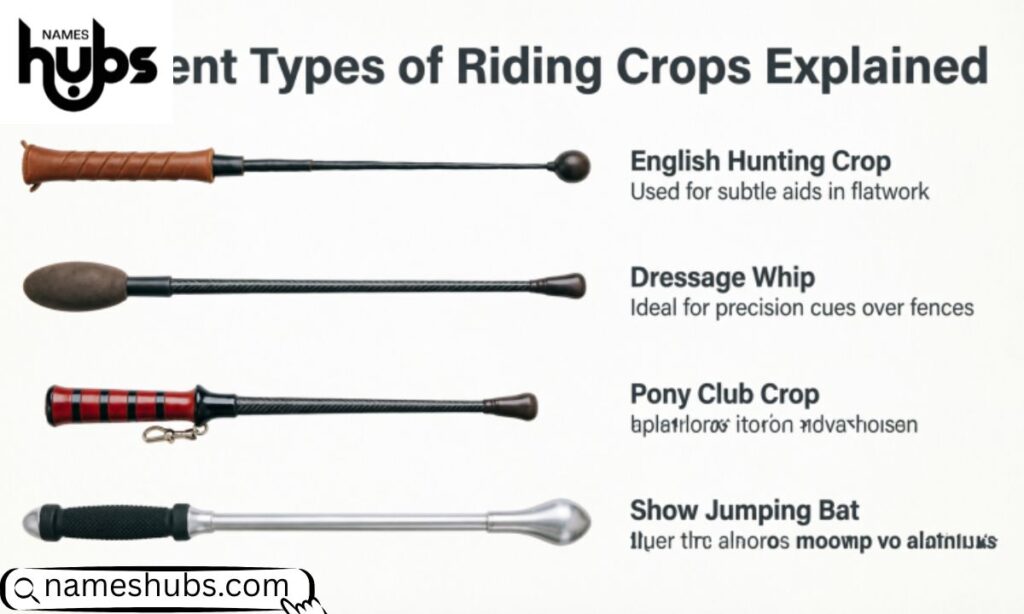
Riding crops come in several styles, each designed for a specific purpose. Some are made for everyday riding, while others are used in training sessions. Choosing the right type helps improve communication with the horse. Understanding these differences can make riding more effective.
Standard riding crops are commonly used by riders of all skill levels. They are lightweight, easy to carry, and suitable for many riding activities. These crops provide gentle guidance when needed. They are often seen in both casual and competitive riding.
Dressage whips, jumping crops, and schooling whips are other popular options. Each style has a different length and design. Riders select them based on their discipline and goals. Using the correct type can improve comfort and performance.
Choosing the Right Crop Length
The length of a riding crop plays an important role in its effectiveness. A crop that is too short may be difficult to use properly. One that is too long can feel uncomfortable while riding. Selecting the right size helps maintain control and balance.
Different riding disciplines often require different crop lengths. Jumping riders usually prefer shorter crops for quick access. Dressage riders may use longer whips for precise communication. The intended use should guide your choice.
It is also important to consider your height and riding style. A comfortable length allows easy handling without affecting posture. Testing different sizes can help you find the best fit. Proper length contributes to a better riding experience.
Selecting a Comfortable Handle Design
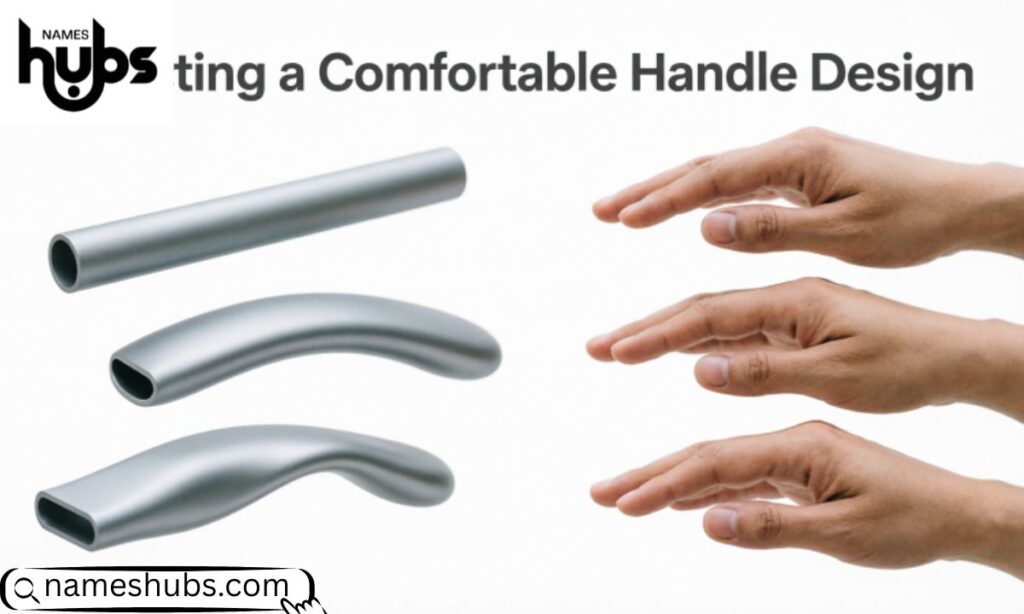
A comfortable handle can make a big difference during riding sessions. Riders often hold the crop for extended periods. A well-designed grip reduces hand fatigue and improves control. Comfort helps maintain focus while riding.
Many riding crops feature rubber, leather, or textured handles. These materials provide a secure grip in different weather conditions. A non-slip handle can be especially useful during long rides. It helps prevent accidental dropping.
The size and shape of the handle should also feel natural in your hand. Some riders prefer thicker grips, while others like slimmer designs. Personal preference is important when making a choice. A comfortable handle enhances overall usability.
Materials Used in Modern Riding Crops
Modern riding crops are made from a variety of durable materials. Fiberglass and synthetic materials are commonly used for the shaft. These materials provide strength while keeping the crop lightweight. Durability is important for regular use.
Handles are often covered with leather, rubber, or synthetic grips. These materials improve comfort and provide better control. Quality materials can withstand frequent use and changing weather conditions. They also help maintain the crop’s appearance.
The finishing details, such as loops and tips, are also made from strong materials. Manufacturers design them to handle daily riding demands. Choosing a crop made with quality components can increase its lifespan. Good materials offer both reliability and comfort.
Finding the Best Crop for Beginner Riders
Beginner riders should focus on simplicity and comfort when choosing a riding crop. A lightweight crop is usually easier to handle. It allows new riders to learn proper techniques without difficulty. Simple designs are often the best starting point.
Comfortable grips and moderate lengths are recommended for beginners. These features make the crop easier to control during lessons. Riders can focus on building confidence and improving communication with their horse. Ease of use is an important factor.
It is also helpful to seek advice from riding instructors or experienced riders. They can recommend options that match your skill level. Starting with the right equipment can make learning more enjoyable. A suitable riding crop supports safe and effective riding habits.
Riding Crops for Training and Everyday Use
A riding crop can be a useful tool during both training sessions and everyday riding. It helps riders give clear signals when needed. When used correctly, it supports communication between horse and rider. The goal is guidance rather than force.
Training crops are often chosen to reinforce riding aids. They can help young or inexperienced horses understand commands more clearly. Consistent use encourages better responses over time. Riders should always focus on proper technique.
For everyday riding, a simple and comfortable crop is usually enough. It should feel easy to hold and carry during rides. Choosing the right size improves control and comfort. A well-suited crop can make daily riding more enjoyable.
Considering Balance and Weight Before Buying
The balance of a riding crop affects how comfortable it feels in your hand. A well-balanced crop is easier to control while riding. It allows smooth movement without causing strain. This can improve your overall riding experience.
Weight is another important factor to consider before buying. A crop that is too heavy may feel tiring during longer rides. A very light crop may not provide the desired feel. Finding the right balance between the two is important.
Many riders prefer trying different options before making a decision. Holding the crop can help you judge its comfort and handling. Personal preference often plays a big role in the final choice. The right weight can make riding more natural.
Safety Features to Look for in a Riding Crop
Safety should always be a priority when selecting riding equipment. A quality riding crop should have a secure and comfortable grip. This helps prevent slipping while riding. Better control also increases rider confidence.
The wrist loop is another useful safety feature. It helps keep the crop close at hand if it is accidentally dropped. A strong and properly attached loop adds extra convenience. Many riders appreciate this simple addition.
Check the crop for smooth edges and durable construction. Poorly made equipment may wear out quickly or become unsafe. Strong materials often provide better reliability over time. Investing in quality can help avoid future problems.
Matching Your Riding Style with the Right Crop
Different riding styles often require different types of riding crops. A crop used for dressage may differ from one used for general riding. Choosing the correct option helps improve comfort and effectiveness. It also supports the needs of your discipline.
Think about how often and where you ride. Riders who spend long hours in the saddle may prefer lightweight designs. Others may need a crop suited to specific training goals. Matching equipment to your routine is always helpful.
Your skill level can also influence your choice. Beginners often benefit from simple and easy-to-use designs. Experienced riders may look for features that suit advanced techniques. The right crop should complement your riding habits.
Care and Maintenance Tips for Long-Lasting Use
Proper care can help a riding crop remain in good condition for years. After each ride, wipe away dirt and moisture. Keeping the crop clean helps protect its materials. Regular attention prevents unnecessary wear.
Store the crop in a cool and dry place when not in use. Avoid leaving it in direct sunlight for long periods. Excessive heat or moisture can damage certain materials. Good storage habits help maintain its appearance.
Inspect the crop regularly for signs of damage. Check the handle, shaft, and wrist loop for wear. Replacing worn equipment can improve both safety and performance. A little maintenance goes a long way toward extending its lifespan.
Frequently Asked Questions
What Is a Riding Crop and Why Is It Used?
A riding crop is a short tool used by riders to support communication and guidance while riding a horse.
What Are the Different Types of Riding Crops?
Common types include dressage crops, jumping crops, schooling crops, and general-purpose riding crops.
How Is a Riding Crop Different From a Riding Whip?
A riding crop is shorter and mainly used for close communication, while a whip is often longer.
Is Using a Riding Crop Safe for Horses?
Yes, when used correctly and responsibly, a riding crop is considered a safe training aid.
What Size Riding Crop Should I Buy?
The right size depends on your riding style, discipline, and personal comfort while handling it.
Can Beginners Use a Riding Crop?
Yes, beginners can use a riding crop, but proper instruction is important for correct use.
What Is the Best Riding Crop for Everyday Riding?
A lightweight, balanced crop with a comfortable grip is often a good choice for daily riding.
What Features Should I Look for When Buying a Riding Crop?
Check the grip, length, weight, flexibility, and overall build quality before purchasing.
Are Riding Crops Allowed in Horse Competitions?
Many competitions allow riding crops, but specific rules can vary by event and organization.
How Do I Take Care of a Riding Crop?
Store it in a dry place and clean it regularly to help maintain its condition and lifespan.
Conclusion
A riding crop is a simple riding aid that helps riders give clear signals to their horses during training and everyday riding. It is not meant for punishment but for improving communication between horse and rider. With different styles and sizes available, riders can choose one that matches their needs and experience level.
When buying a riding crop, it is important to consider factors such as length, weight, grip, and overall comfort. Choosing a quality crop can make riding more effective and enjoyable while ensuring safety for both horse and rider. By understanding the different types and uses, riders can make a confident and informed purchase.

